
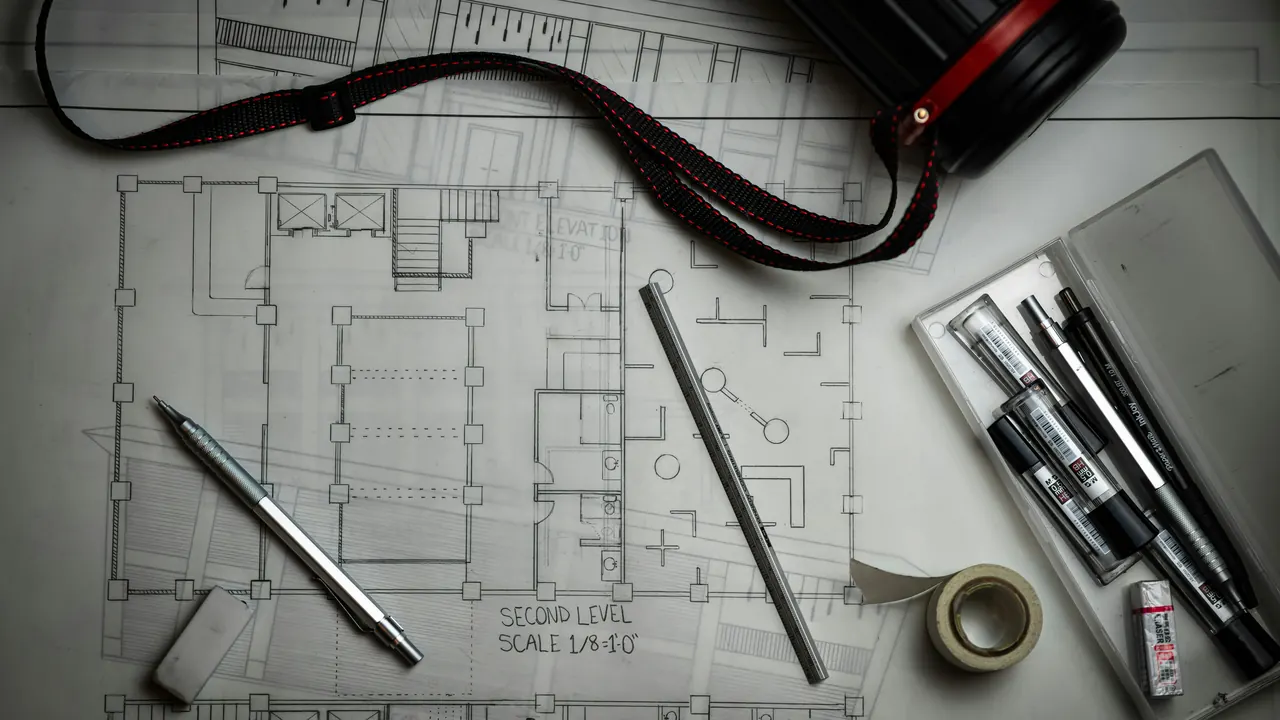
In Miami-Dade, most construction, alteration, and new electrical, plumbing, or mechanical work needs a building permit, issued to a licensed contractor or to a qualifying owner-builder. The usual path is application, plan review, fee payment, permit issuance, inspections, and a final approval or certificate. The details below describe the county's process for unincorporated Miami-Dade; cities inside the county run their own building departments and can differ.
Which building department handles your property?
The county's published application process applies only to unincorporated Miami-Dade, which the county identifies as properties whose folio numbers start with "30." If your property is in a city, the municipal building official issues the permit. Check the property appraiser record or call the city before you start. Everything in this article should be read as the county's rules, with local differences possible.
When is a permit needed?
The county says permits are generally required for new structures, pools, additions, enclosures, fences, sheds, carports, and new plumbing, electrical, or mechanical work. Exterior replacements such as windows, doors, siding, and roofs also need permits, as do certain interior projects.
Some work is exempt, but the exemptions are narrow and come with conditions. Examples on the county's exemption page include interior and exterior painting, same-configuration cabinet or vanity replacement, and a combined $5,000 cap in any 12-month period for items such as window air-conditioner replacement, gutters, and low decks. Roof repairs are exempt only up to small limits. Pool electrical work always needs a permit.
A newer state law also matters. According to the county, a new exemption took effect July 1, 2026 under House Bill 803 for work valued under $7,500 on single-family homes, duplexes, and qualifying townhouses. It does not apply to properties in a flood hazard area, and electrical, plumbing, structural, mechanical, and gas work still need permits. Projects cannot be split into phases to stay under the number. Confirm your specific project with the permitting staff before relying on this.
Two cautions apply to every exemption. It covers the building permit only, so zoning and other approvals may still be required. And an exemption never allows work that violates the code.
Who can apply: contractors and owner-builders
The county states that only licensed contractors or owner-builders may obtain a building permit. A licensed contractor pulls the permit under the license; see how to hire a licensed general contractor in Florida for how to verify that license.
Owner-builder rules and limits
Florida law lets an owner act as their own contractor under section 489.103(7), but the exemption has conditions. Based on the statute and the county's instruction sheet:
- The owner must personally provide direct, onsite supervision of the work and cannot hand that role to anyone who is not licensed for it.
- The exemption covers one- and two-family residences and farm outbuildings built for the owner's own use. The statute also covers commercial buildings costing no more than $75,000, while the county's instructions describe a smaller category (a one-story commercial building or addition of 500 square feet or less). Ask the county which applies to you.
- The property cannot be built for sale or lease. The statute presumes this if the owner sells or leases within one year after completion; the county's instruction sheet describes a 24-month presumption. Ask the building department which period it applies.
- The owner signs a disclosure statement before the permit is issued and provides identification or a notarized signature.
- Unlicensed workers must be the owner's employees, which brings payroll tax withholding and workers' compensation duties. The owner can be liable for injuries to unlicensed workers, and homeowner's insurance may not cover them.
- Electrical, plumbing, mechanical, and roofing work still require separate permits. Ask the county which of those trades must be done by licensed contractors.
For many homeowners the safer course is to hire a licensed contractor and have the permit issued in the contractor's name.
Typical steps from application to final
1. Prepare
Confirm zoning allows the work, and gather your plans, proof of ownership, and contractor details. The county notes that a notarized owner signature or an owner authorization letter can be required when a tenant pulls permits.
2. Apply online
Applications go through the county's Plan Status and Application Submission Portal (the county calls it EPSPortal). You choose the plan type, such as new application, revision, or change of contractor, and upload your files. The county issues a confirmation number and, after intake approval, a process number. Contractors can obtain some roofing, shutter, and simple trade permits through the county's separate e-permitting system.
3. Plan review
The county says initial review typically takes anywhere from 24 hours to 10 business days depending on complexity. You track comments in the portal. The county also offers MeetQ, an online queue for talking with plan review staff. Upfront fees cover one initial review and one rework; additional revisions can add fees.
4. Pay and receive the permit
Upfront fees are paid before review, and any remaining fees after all disciplines approve. The permit is issued after payment.
5. Notice of Commencement
The county states a Notice of Commencement must be recorded with the Clerk before inspections when the work value exceeds $5,000, with an exclusion for HVAC repair or replacement under $15,000.
6. Inspections
Schedule inspections one business day ahead, before 4 p.m., online, by phone, or at the permit counter. Keep the stamped approved plans on site. The county says you have 180 days to complete the work, and an approved inspection extends the permit by 180 days.
7. Final
At the end, you need a Certificate of Completion or Occupancy, or proof that final inspections were approved. The county advises collecting a release of lien and an affidavit confirming that subcontractors and suppliers have been paid before final payment to the contractor.
Which code applies?
Plans are reviewed against the Florida Building Code edition in force on the date of application. Miami-Dade's notice states that the Ninth (2026) Edition takes effect December 31, 2026, and that applications submitted on or after that date, including portal submissions after 4 p.m. on December 30, 2026, must meet it. If you are close to that date, ask your designer which edition applies to your submission.
Questions people ask
Does a repair need a permit?
It depends on the type and cost. Small repairs below set dollar limits may be exempt, but electrical, plumbing, mechanical, and structural work usually need permits. When in doubt, ask the county before starting.
What does a permit actually do for me?
It puts the work on record, triggers plan review and inspections, and gives you a paper trail of approvals. Under Florida law, doing work that requires a permit before the permit is in effect is a violation for a contractor.
Can I check whether a contractor's permit is active?
The county offers a building permits search and a permit card print tool on its building page.
Check before you decide
- Confirm whether your property is in unincorporated Miami-Dade or a city.
- Ask the building department whether your project is exempt, and get that answer in writing.
- Decide who will pull the permit and verify that person's license or owner-builder status.
- Confirm the code edition that applies to your application date.
- Plan for the Notice of Commencement and keep approved plans on site.
Rules and fees change, so confirm current requirements with the building department. For larger projects, see the overview of general contracting.