
When an air conditioner runs but the house will not cool, five simple checks catch many problems: thermostat settings, the air filter, the breaker and disconnect, the outdoor unit, and the drain pan float switch. Do only what is safe without tools or opening panels. Stop and call a licensed technician if you see ice, a breaker keeps tripping, or you suspect low refrigerant or an electrical fault.
Before you start
Check from the outside in, and keep it to what a homeowner can do safely. Do not open electrical panels on the equipment, touch wiring, or add refrigerant. Work on the refrigerant circuit and equipment electrical components should be left to a licensed contractor.
Step 1: The thermostat
Many service calls end with a setting.
- Mode should be Cool, or Auto if you are unsure.
- The fan setting should normally be Auto. Carrier notes that On runs the blower constantly and can blow warm air between cycles.
- If you use a schedule or smart thermostat, check it has not overridden your setpoint. A dead battery or a blank display can also stop the call for cooling.
- Set the temperature several degrees below the room temperature and wait a few minutes to see if the system responds.
Step 2: The air filter
A clogged filter restricts airflow. Signs include weak air at the registers, a warmer house and short cycling, according to Carrier. The U.S. Department of Energy says to clean or replace filters every one to two months in cooling season, or more often with constant operation, dusty air or pets. It also notes that air bypassing a clogged filter can deposit dirt on the evaporator coil. Replace a dirty filter and give the system time to recover. If you see ice, go to the section on stopping below. For help choosing a filter, see MERV ratings and indoor air quality.
Step 3: The breaker and disconnect
If the system does not start at all or the outdoor unit is silent:
- Look at the breaker for the air handler and the outdoor unit in your electrical panel. Reset one only if it is clearly in the Off position.
- Look at the disconnect box near the outdoor unit and confirm it is in the On position.
- If a breaker trips again right after resetting, stop. Carrier advises calling a professional in that case. Repeated resetting can mask a failing motor, capacitor or short.
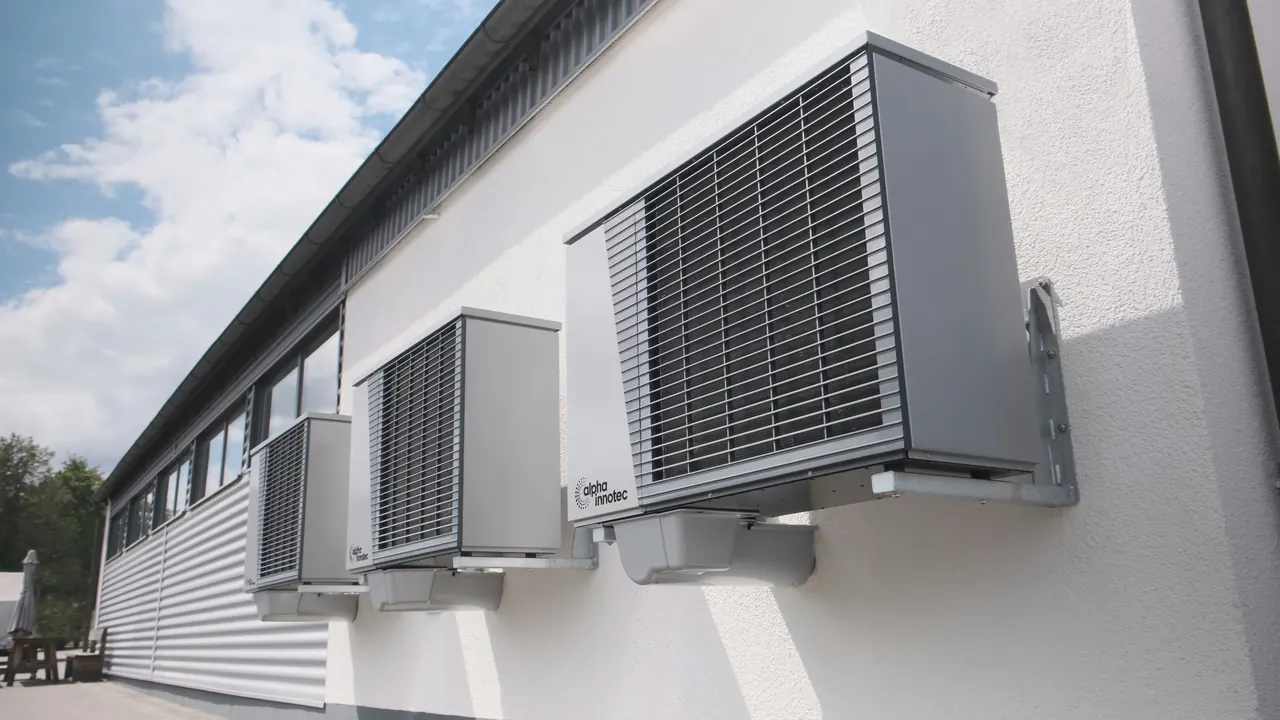
Step 4: The outdoor unit
From a safe distance, look and listen.
- Is the fan spinning when the system is calling for cooling?
- Is the cabinet heavily clogged with dirt, leaves or debris? The Department of Energy advises trimming foliage back at least 2 feet from the outdoor coil to keep airflow.
- Do you hear loud humming, grinding or clicking?
Do not touch the fan blades or the electrical compartment. A fan that does not turn, a loud hum, or a unit that never starts is a service call.
Step 5: The drain pan float switch
A condensate drain carries the water the system removes from humid air. A float switch is an overflow safety device. When water backs up in the pan, it opens and cuts power to the equipment, which prevents a leak. According to a technician training source, it often sits in the drain pan or at an auxiliary drain port on the coil. The Miami-Dade mechanical inspection checklist includes verifying water level monitoring device requirements, so inspectors look for overflow protection on permitted installations.
What to check:
- Look at the area around the indoor unit for standing water or a wet pan.
- A tripped switch usually points to a drainage problem rather than a faulty switch, so the cause needs attention. A clogged line is one possibility.
- Do not bypass or remove the switch to get cooling back.
If you can see water in the pan, turn the system off at the thermostat, and read clogged AC drain lines and water damage. A drain line can be cleared by a technician, and the floor around the unit can dry while you wait.
When to stop and call a technician
Stop troubleshooting and call a licensed HVAC contractor if:
- You see ice on the indoor coil, the copper lines or the outdoor unit. Turn cooling off. Carrier and Trane both warn that running a system with a frozen coil can cause major damage.
- A breaker trips again after one reset.
- The outdoor fan does not spin, or you hear loud or unusual noises.
- Water is leaking, or the float switch has shut the system down.
- The system runs constantly but never reaches the setpoint after a clean filter. Carrier lists low refrigerant as a possible cause, which only a technician should diagnose and fix.
- You smell burning or see smoke. Turn the system off at the breaker and call.
The Department of Energy says a technician should check the refrigerant charge and test for leaks. Refrigerant that is removed must be captured, not released. ENERGY STAR notes that airflow problems can cut efficiency by up to 15 percent and recommends annual pre-season checkups.
Questions people ask
Why is air coming out of my vents but it feels warm?
Common reasons are a thermostat set to Fan or On, a clogged filter, a frozen coil, a failed outdoor unit, or low refrigerant. Start with the thermostat and filter, then check the outdoor unit and for ice.
Can I add refrigerant myself?
No. Refrigerant work needs a licensed contractor and proper handling. A low charge also usually means a leak that needs repair. See AC permit and licensing rules to verify a contractor.
Is it worth repairing an older system?
That depends on age, repair history and efficiency. See AC repair vs replacement in Miami for factors to weigh.
Check before you decide
- Thermostat mode, fan and setpoint.
- Filter condition.
- Breaker and disconnect.
- Outdoor fan and debris.
- Water in the drain pan or a tripped float switch.
- Ice anywhere. If yes, turn cooling off.
Tell the technician what you saw, such as filter condition, whether the outdoor fan ran, and whether there was ice. Carrier notes this can help them diagnose the problem faster.