
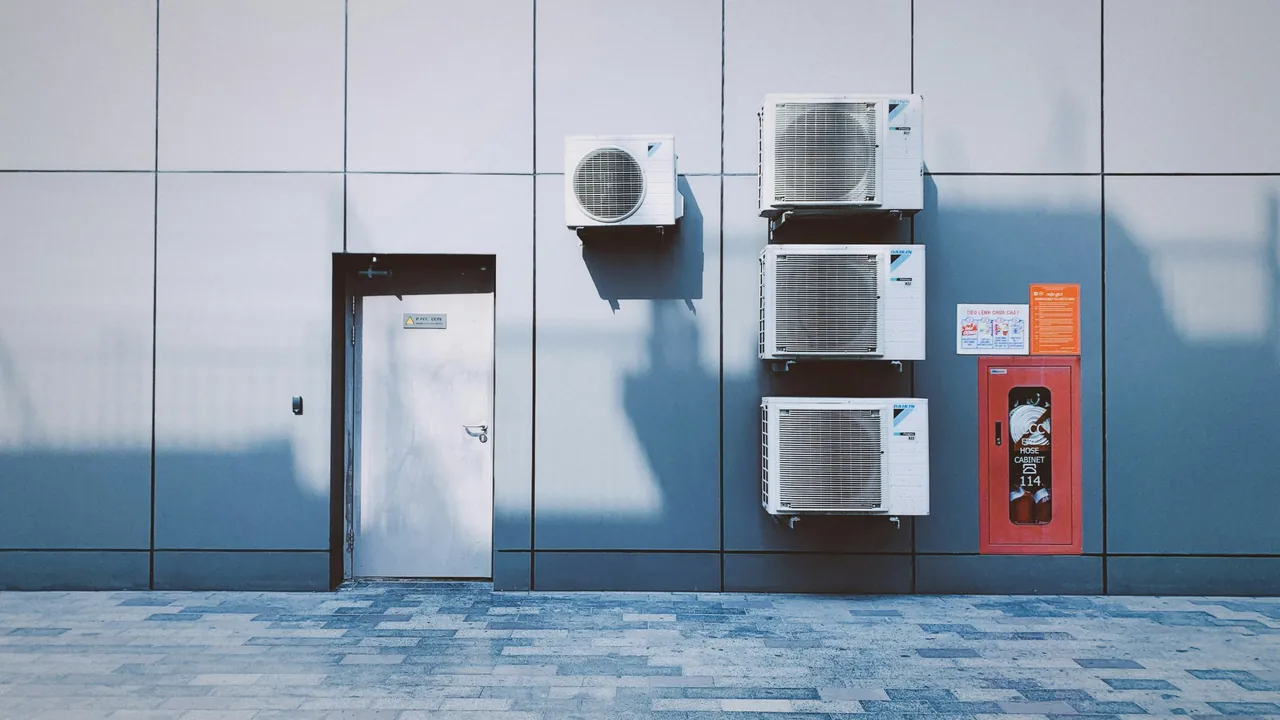
HVAC 6 min read
AC installation process in Florida: step by step
What happens from the Manual J load calculation and permit to startup testing and final inspection, plus what to ask a Florida AC contractor.
Blog
HVAC articles from AV Construction Group Corp.
What happens from the Manual J load calculation and permit to startup testing and final inspection, plus what to ask a Florida AC contractor.
A practical AC maintenance routine for South Florida: filters, condensate drain clogs, coil care, and coastal corrosion, per DOE, EPA, and manufacturers.
Replacing an AC in Miami-Dade is permitted mechanical work for a licensed contractor. Learn how to verify a license on DBPR and what unlicensed work risks.
How to decide between repairing and replacing a Miami AC: system age, refrigerant leaks, coastal corrosion, humidity symptoms, and how to compare estimates.
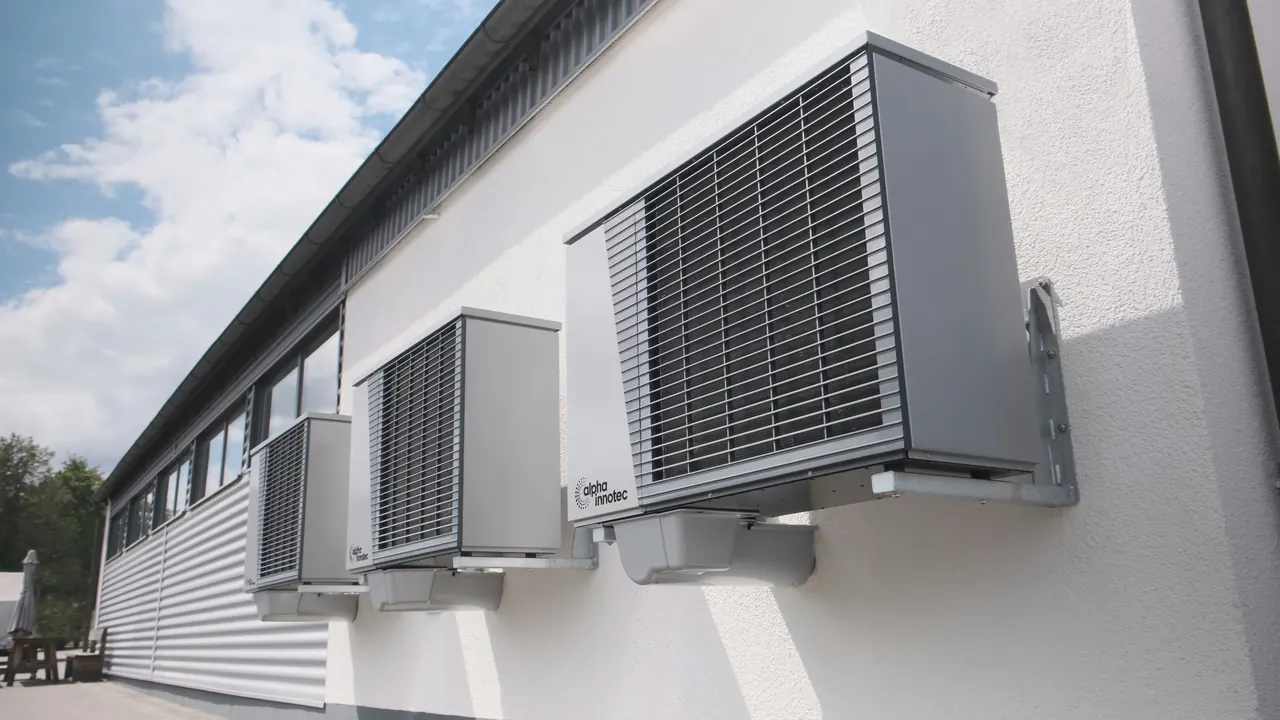
If your AC runs but the house stays warm, check the thermostat, filter, breaker, outdoor unit and drain float switch, then stop and call a technician.
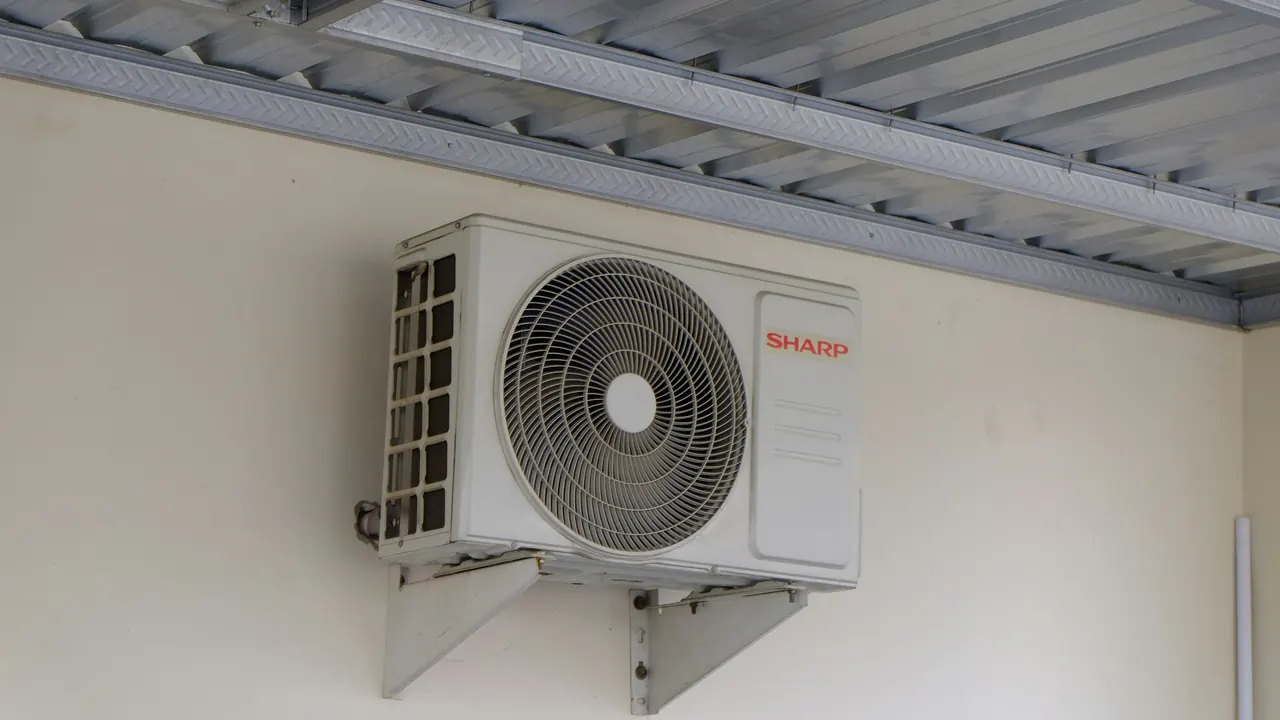
How a Manual J load calculation sizes an AC for a South Florida home, why oversizing hurts humidity control, and the SEER2 minimums that apply in Florida.
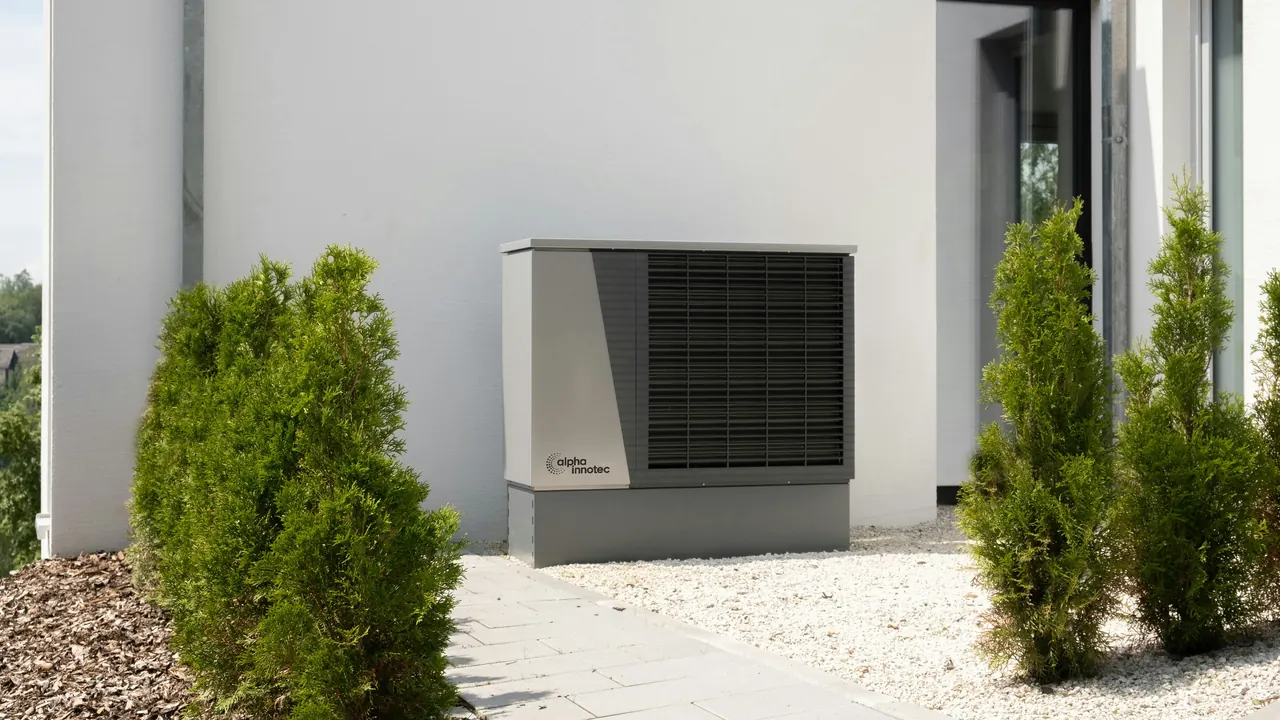
Why AC condensate drains clog in Florida, how float switches protect your home, what a technician checks, and when a wet air handler needs a pro.

Packaged rooftop units, split systems, VRF and chillers explained at a high level, with how to match each type to your Florida building and its use.
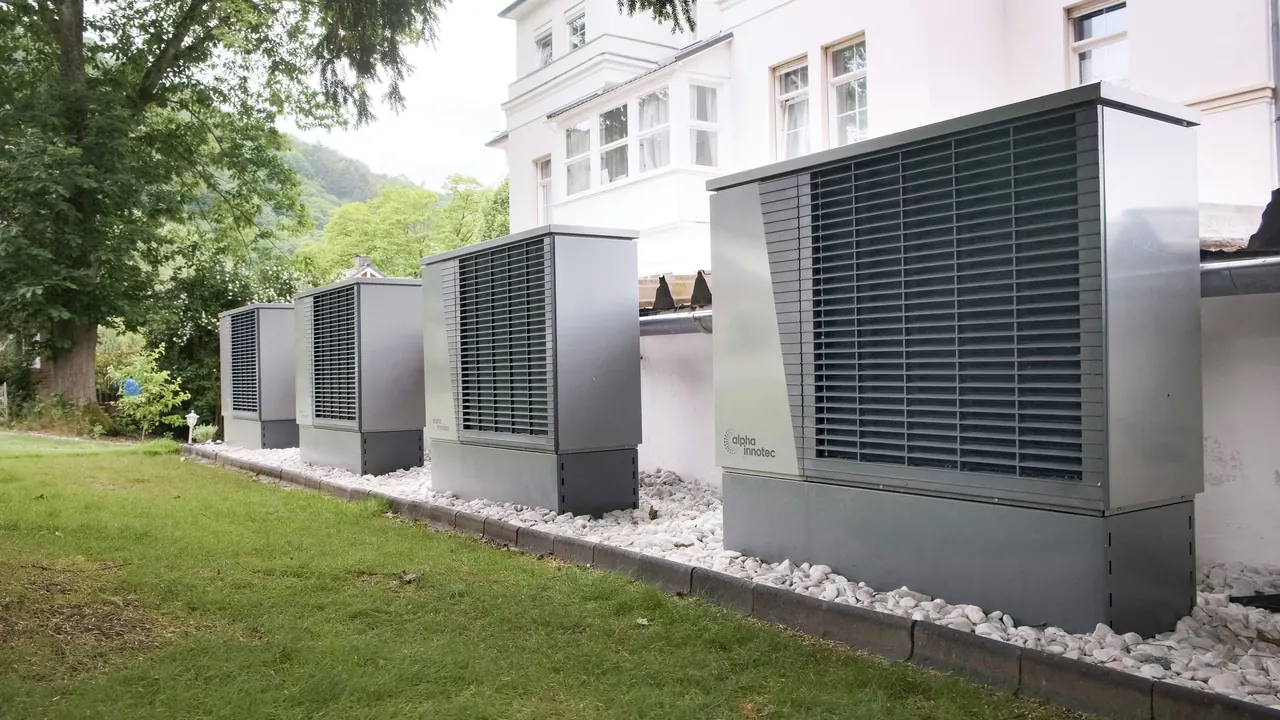
A South Florida property manager's guide to RTU maintenance schedules, coastal coil corrosion, signs a unit is nearing replacement, and planning permits.
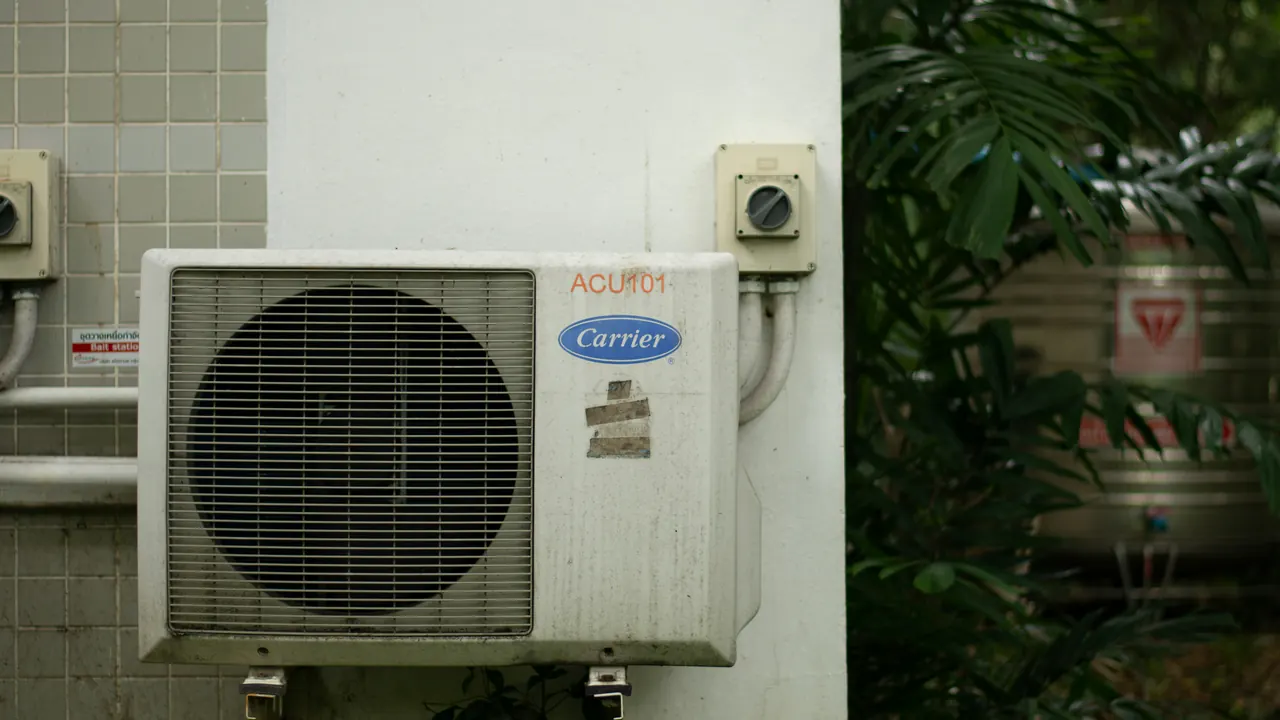
How duct leaks, duct insulation and duct leakage testing work under the Florida Energy Conservation Code, and what to ask for on a new or altered system.
Ice on your AC coil usually points to low airflow or low refrigerant. Learn the causes, what to do first, and why you should never chip the ice.
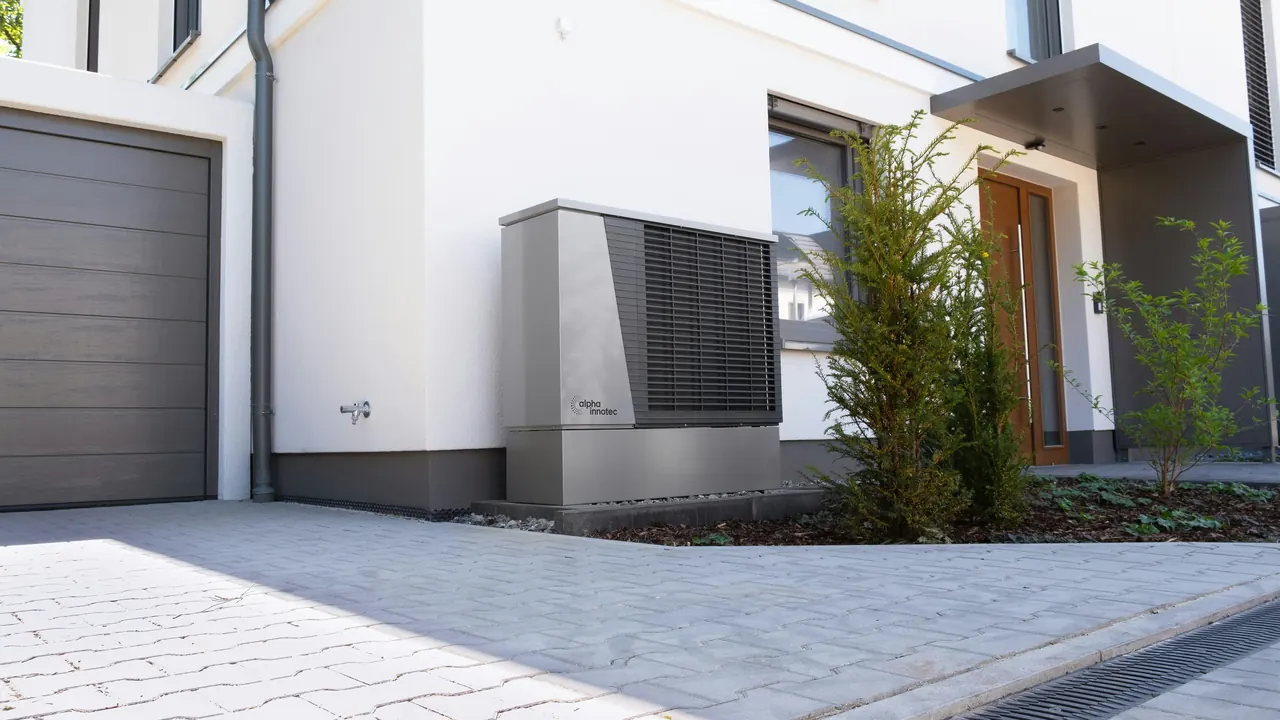
How AC sizing, variable-speed equipment, whole-house dehumidifiers and thermostat settings affect indoor humidity and mold risk, per EPA, DOE and ASHRAE.