
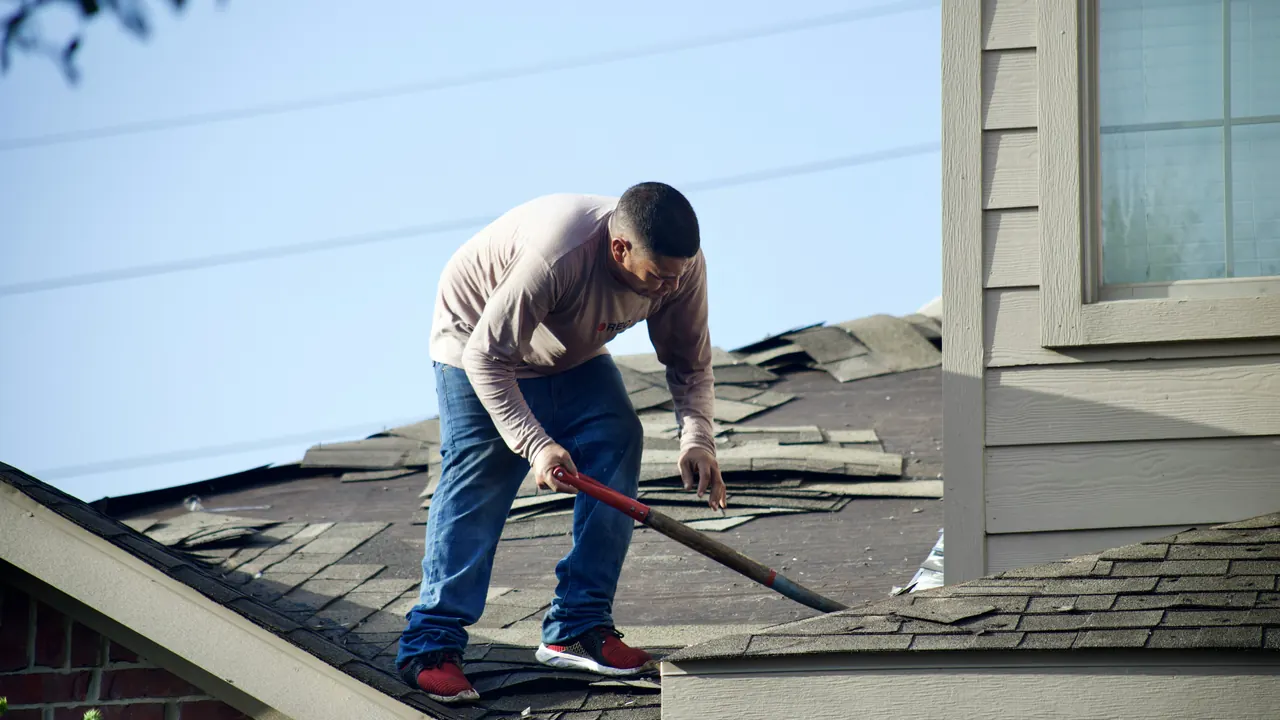
A 4-point inspection is a limited review of a home's roof, electrical, plumbing and HVAC systems, used to judge whether the property is insurable. For the roof, the inspector records the type, age and visible condition, and may estimate how many years of useful life remain. Insurers decide whether and when to ask for one, and each sets its own rules, so confirm requirements with your agent or insurer before you order an inspection.
What a 4-point inspection is
The Florida Department of Financial Services' Insurance Consumer Advocate describes the inspection as limited to four systems: roofing, electrical, plumbing and HVAC. Its purpose is to assess condition and safety so an insurer can decide whether to write a policy. It is not a full home inspection, and it does not replace one.
Some Florida insurers ask for a 4-point report when they issue or renew a homeowners policy. The state guide says the report generally must be dated within 30 days before the insurance application, although each insurer sets its own window. Depending on the findings, repairs may be required before a policy is issued.
What the roof portion covers
For the roof, the state guide lists these items: the roof type, its age, and its condition, including visible damage or deterioration. Roof inspection guidance, such as the InterNACHI roof inspection manual and the GAF inspection guide, lists items like these as typical things to look for from the ground, from a ladder, or from the attic:
- Missing, cracked, curled or slipped roofing, and granule loss on shingles
- Broken, missing or displaced tiles
- Rust, lifted panels or open seams on metal
- Flashing at walls, chimneys, vents and skylights
- Signs of past or current leaks, such as stains on the underside of the deck
- Previous repairs, including patches and sealant
The report is a snapshot of the roof on the day of the visit. Ask the inspector what methods are used, since hidden conditions may not be visible, and remember that no report guarantees how a roof will perform in the next storm.
Roof age and "remaining useful life"
The state guide says insurers may want documentation showing at least five years of remaining useful life for shingle roofs older than 15 years, and for tile or metal roofs older than 20 years. These are examples from a state consumer guide, not a universal rule.
Florida law adds a specific rule for homeowners policies. Under section 627.7011(5) of the Florida Statutes (2025 version), an insurer may not refuse to issue or renew a homeowners policy because of roof age alone when the roof is under 15 years old. For a roof 15 years old or older, the insurer must let the homeowner have an inspection by an authorized inspector, at the homeowner's expense, and may not decline coverage based only on roof age if that inspection indicates five or more years of useful life remain. The provision applies to policies issued or renewed on or after July 1, 2022.
Two details matter:
- How age is counted. The statute counts from the most recent date the entire roof surface was built or replaced under the code in effect at that time. If a roof was replaced in sections, age runs from the date the first section was replaced, provided the later sections completed the full roof.
- Who can inspect. The statute lists state-licensed home inspectors, certified building code inspectors, licensed general, building or residential contractors, roofing contractors, engineers and architects, plus others the insurer recognizes as qualified.
Legislation in the 2026 session (SB 808 and HB 815) proposed changes to this section, including different treatment of low-slope and steep-slope roofs. Both bills died in committee on March 13, 2026, so I found no change to the 2025 text. Rules can change, so check the current statute.
What a roof certification is and is not
"Roof certification" is a common industry term for a written report, usually from a licensed inspector or contractor, describing the roof's condition and estimated remaining life. The sources I reviewed do not define the term in statute, so its meaning depends on who issues it and what the insurer will accept.
In general:
- It is an opinion of condition on a specific date, often with photos and notes.
- It is not a warranty, a guarantee of coverage, or an insurance policy.
- It is not a wind mitigation report. A wind mitigation inspection documents wind-resistant features such as roof shape, roof deck attachment and secondary water barrier. See wind mitigation inspections.
- It does not bind the insurer. The insurer decides how long a certification is acceptable and whether to offer coverage.
If a report says the roof needs repairs, you can ask the inspector what would change the finding, then have a licensed contractor correct the items.
How to prepare
- Gather permit records and invoices for past roof work. Roof age under the statute turns on when the roof was built or replaced.
- Fix obvious items first, such as slipped tiles, lifted flashing and cracked sealant.
- Clear debris from the roof and gutters so the inspector can see the surface.
- Make attic access available.
- Ask the inspector to explain any "remaining life" estimate and what it is based on.
Questions people ask
Who can perform a 4-point inspection?
The state guide says a licensed Florida inspection professional, such as a home inspector or a general, residential or building contractor. Home inspectors are licensed by the Department of Business and Professional Regulation (DBPR), which offers an online license search by name or number.
Is a roof certification the same as a 4-point inspection?
No. A 4-point covers four systems, while a roof certification focuses on the roof alone. Some insurers accept either or require one specifically. Ask your agent.
Does a failed report mean I must replace the roof?
Not necessarily. The report lists what the inspector found. Some findings can be repaired, while others point to a roof near the end of its life. A licensed roofer can explain the options. See repair or replace a roof.
How long is the report good for?
The state guide gives 30 days before the application as a general window, and says each insurer sets its own timeframe. Ask the insurer in writing what it will accept.
Check before you decide
- Ask your agent or insurer exactly which report they require and how recent it must be.
- Confirm the inspector's license on the DBPR search before hiring.
- Request photos and the written basis for any remaining-life estimate.
- Keep permit records and prior reports together.
- Ask a licensed roofing contractor to price repairs separately from replacement so you can compare.
This article is general information, not insurance or legal advice.