
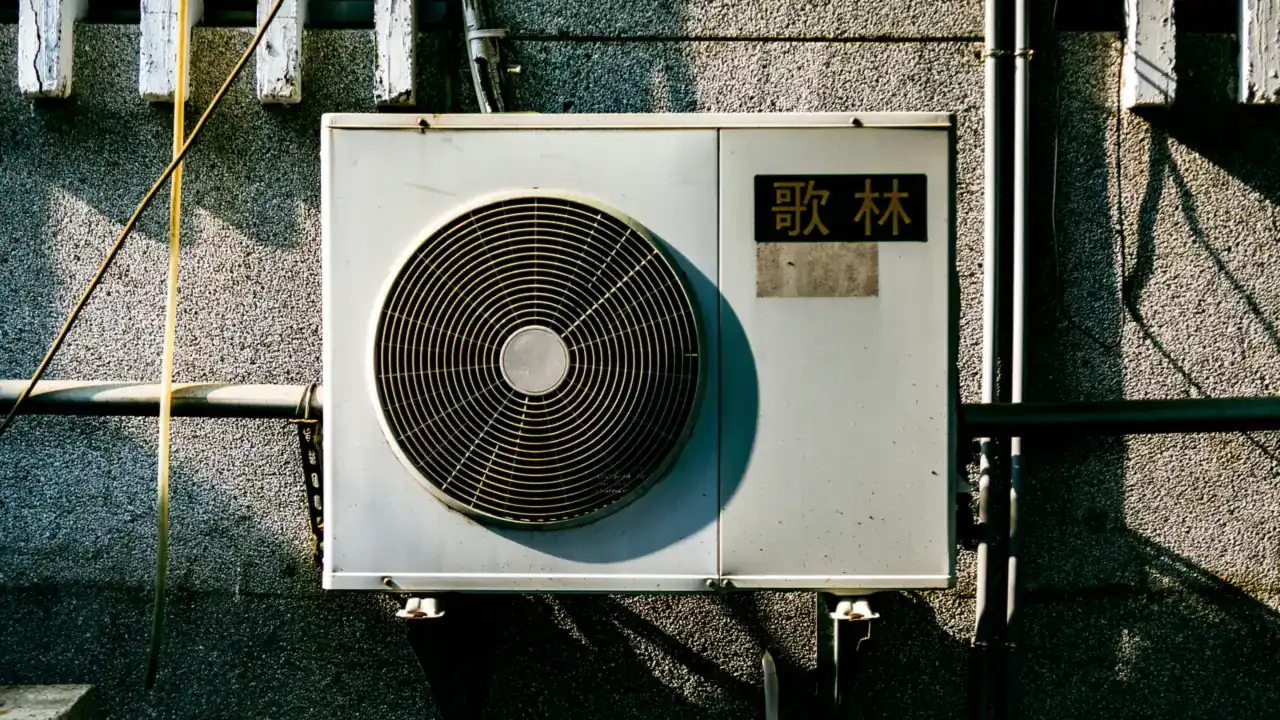
Federal law is steadily replacing R-410A, the refrigerant in most home air conditioners built in recent years, with refrigerants that have a lower global warming potential (GWP). New residential equipment is now built around mildly flammable "A2L" refrigerants such as R-32 and R-454B. If you own an R-410A system, you do not have to replace it, and it can still be repaired. In 2026, some contractors may also still install R-410A equipment that was made or imported before January 1, 2025.
What the AIM Act does
The American Innovation and Manufacturing (AIM) Act of 2020 directs the U.S. EPA to phase down production and consumption of hydrofluorocarbons (HFCs). R-410A is an HFC blend. The Congressional Research Service summarizes the phasedown against a 2011-2013 baseline:
| Period | Reduction from baseline |
|---|---|
| 2020-2023 | 10% |
| 2024-2028 | 40% |
| 2029-2033 | 70% |
| 2034-2035 | 80% |
| 2036 onward | 85% |
The phasedown limits how much HFC can be produced and imported. It does not make it illegal to keep operating equipment you already own.
A separate part of the law, the Technology Transitions program, sets limits on the GWP of refrigerants used in specific kinds of new equipment. That is the part that affects new home AC systems.
The dates that matter for home AC
EPA's Technology Transitions rules cover "residential and light commercial air conditioning and heat pump" equipment, including split systems and mini-splits. EPA's sector table sets a GWP limit of 700 for this category. R-410A is among the higher-GWP refrigerants the program targets, and manufacturers identify R-32 and R-454B as the main lower-GWP alternatives.
| Date | What happened |
|---|---|
| October 24, 2023 | EPA published the Technology Transitions final rule. |
| December 26, 2023 | An interim final rule let higher-GWP equipment made or imported before January 1, 2025 be installed until January 1, 2026. |
| January 1, 2025 | Manufacturing and importing of new higher-GWP residential AC equipment and system components became restricted. |
| May 26, 2026 | EPA published a final reconsideration rule in the Federal Register. |
| July 27, 2026 | The May 2026 rule took effect. |
The May 2026 rule removed the January 1, 2026 installation deadline for residential and light commercial AC and heat pump systems whose specified components were manufactured or imported before January 1, 2025. In plain terms, equipment made before 2025 can continue to be installed until that inventory is used up. EPA explains the change as a way to avoid stranded inventory, particularly in new residential construction, where equipment is often ordered well ahead of installation.
What this means in practice:
- Manufacturing and importing of new higher-GWP residential AC equipment has been restricted since January 1, 2025, but pre-2025 inventory may still be installed.
- Your contractor can tell you which refrigerant the system uses and when it was manufactured. Ask both questions before signing.
- Rules can change again. Confirm the current status with EPA or your contractor before relying on this summary.
What it means if you own an R-410A system
EPA's fact sheet states that the rules do not restrict continued use of existing equipment, which can operate to the end of its useful life. Existing systems can be serviced and repaired, including by replacing components, and parts for repairing existing equipment can continue to be made and sold. New higher-GWP replacement components must be labeled for servicing existing equipment only.
A manufacturer's regulatory guide says the same thing in practical terms: existing R-410A systems can still be serviced with replacement components, and the rules apply to new equipment, not systems already installed.
There are two cautions.
- Refrigerant supply is being reduced over time. The phasedown schedule above limits new HFC supply. ACCA's HVAC blog notes that R-410A recharges may become more expensive over time and suggests homeowners ask what a repair costs now and what it may cost later. No one can give a reliable future price, so treat any specific forecast with caution.
- A leak is a leak. EPA recommends finding and fixing leaks rather than topping off. For help weighing the options, see AC repair vs. replacement in Miami.
What A2L actually means
Refrigerants are classified by ASHRAE Standard 34 for toxicity and flammability. R-410A is class A1, meaning it does not propagate a flame. R-32 and R-454B are class A2L, meaning lower toxicity and mildly flammable. "Mildly flammable" does not mean they are dangerous in normal use. It means the equipment, installation, and codes have to account for the property, and that technicians need training and tools designed for it.
Points that matter to homeowners:
- No drop-in swaps. A2L and A1 refrigerants are in different safety classes. A manufacturer guide states that retrofitting from one safety class to another violates EPA rules and safety standards. You cannot convert an R-410A system to A2L.
- Equipment is designed for the refrigerant. Components, including compressors, are not interchangeable between R-410A and A2L equipment, or between different A2L blends.
- Leak safeguards. An ACCA blog post written by a compressor manufacturer says that systems with larger refrigerant charges, roughly 4 pounds and up, will likely require mitigation such as leak detection. Requirements depend on the product listing and the adopted codes.
- Codes follow standards. Because the refrigerants are flammable, building codes and product standards had to be updated before A2L equipment could be installed in buildings, and adoption happens state by state. In Florida, the installer and the local building official apply the Florida Building Code edition in force. The 2023 (8th) edition is currently used in Miami-Dade, and the 9th (2026) edition takes effect December 31, 2026.
Buying or replacing a system in 2026
If you are replacing a system this year, these questions are worth asking:
- Which refrigerant does the proposed system use, and what is its manufacture date?
- If it is pre-2025 R-410A inventory, how will future service parts and refrigerant be handled?
- If it is an A2L system, does the installer have A2L-rated tools, labeling, and training, and does the system include any required leak detection?
- Does the proposal include the permit, load calculation, and AHRI certificate? See AC permits and licensing in Miami-Dade and sizing and choosing an AC.
Neither choice is automatically better for every household. A newer A2L system aligns with the long-term direction of the rules. A pre-2025 R-410A system, where still offered, may match what a technician already services, but the refrigerant supply picture is declining. A written comparison of both, with warranty terms, helps you decide.
Questions people ask
Do I have to replace my R-410A air conditioner?
No. EPA's fact sheet says existing equipment can operate to the end of its useful life and can be serviced and repaired.
Can a technician switch my system to a new refrigerant?
Generally no. Manufacturer guidance and EPA rules do not allow retrofitting equipment from one refrigerant safety class to another.
Is R-410A being banned?
Not in the sense of existing systems. The AIM Act reduces how much HFC can be produced and imported over time, and EPA limits the GWP of refrigerants in new equipment. These rules do not require removing equipment already in service.
Are A2L refrigerants safe in a home?
They are classified as mildly flammable and are used in equipment designed and listed for them, under the safety standards and codes that apply. Using trained installers and following the manufacturer's instructions is the key safeguard.
Check before you decide
- Ask for the refrigerant type and manufacture date in writing.
- Ask how service and parts will be handled for the next decade.
- Confirm the installer's EPA technician certification and Florida license.
- Confirm the permit will be pulled and inspected.
Related: HVAC services.