
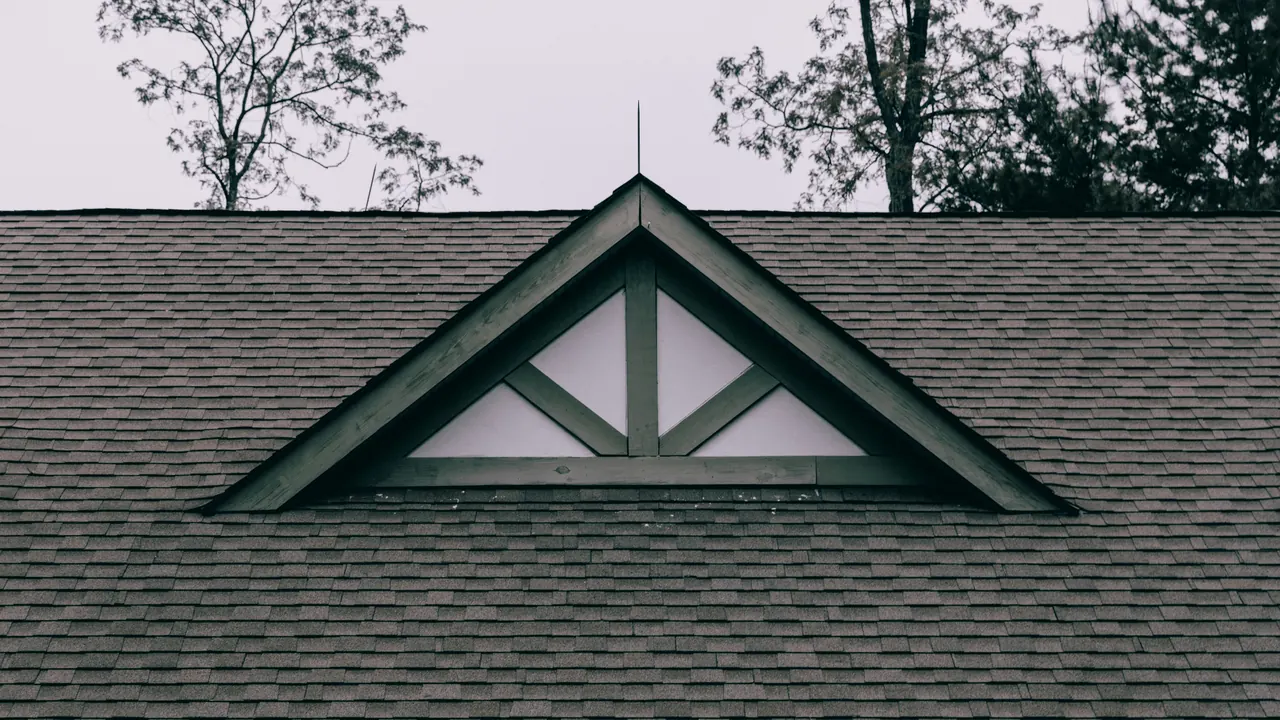
A sensible schedule is one full roof inspection before the Atlantic hurricane season starts on June 1, a quick check after any storm with strong winds, and a second full inspection after the season ends on November 30. FEMA's guidance for sloped and low-slope roofs calls for inspections at least twice a year, typically spring and fall, plus one after high-wind events. The point is to find and fix small problems while there is time to schedule a roofer.
The official season dates
NOAA's August 2026 update confirms the Atlantic season runs June 1 through November 30 and notes the climatological peak is in early September. As of this writing in mid-October 2026, the season is still open until November 30. A forecast of below-normal or above-normal activity does not change what a roof needs, since a single storm can cause serious damage in any year.
Before the season: April and May
Aim to finish by the end of May so that repair requests are not competing with last-minute demand.
- Do the ground and attic check. GAF's I.O.U. method suggests three views: outside from the ground, inside the attic, and up close only if safe. Look for missing, cracked or curled shingles, dark worn patches, loose or bent flashing, daylight through the deck, stains and sagging.
- Have a licensed roofer inspect. A professional can check fasteners, edges, flashing, sealant, vents, tile condition and the roof deck. Ask for photos and a written list of findings.
- Clear drainage. FEMA advises cleaning gutters and downspouts regularly, tightening loose connections and trimming tree limbs that overhang the roof.
- Check vents and openings. FEMA notes that attic vents can admit wind-driven rain if poorly attached, and that turbines should be fastened securely; some owners remove turbine heads and plug the standpipe before a storm.
- Check the edges. FEMA identifies roof overhangs and edge details as common wind failure points. A roofer can tell you whether yours need strengthening.
- Photograph the roof and keep records. Dated photos, permit records, invoices and warranties help if you later need to show the roof's condition. This step is a practical suggestion, not an insurance requirement I confirmed, so ask your insurer what it wants.
During the season: after each storm
The FEMA handbook says to inspect again after high-wind events and make repairs promptly. After a storm:
- Look from the ground first. Do not climb onto a wet or damaged roof.
- Check for missing roofing, bent metal, fallen limbs and debris in gutters or valleys.
- Look inside at ceilings and attic decking for new stains or dripping.
- Photograph everything before any cleanup, and report damage to the insurer promptly.
The Florida Department of Financial Services advises documenting damage and repairs with photos or video and keeping receipts. It also cautions against anyone soliciting work after a storm who demands cash up front, and points to an online search for state-licensed contractors. For a fuller checklist, see roof damage after a hurricane.
If the roof is open to the weather, temporary tarping may be needed. The City of Coral Springs guide lists temporary tarping as a repair that does not need a permit, but that is one city's guide, so check your own jurisdiction. OSHA's hurricane eTool covers fall protection, ladders and electrical hazards for roof work, and says to assume downed lines are energized. Tarping is best left to trained crews.
After the season: December
Plan a full inspection once the season ends on November 30. Storms can leave hidden damage, such as lifted flashing or displaced tiles, that shows up only in the next heavy rain. Fix what was found, and review whether larger repairs or a replacement should be budgeted before next spring. Ask the building department how permit rules treat partial repairs before you plan the work.
For property managers and condo boards
Low-slope and commercial roofs add items to the schedule.
- Inspection frequency. GAF's commercial guidance recommends a local roofing contractor inspect and maintain the roof twice a year. FEMA's low-slope sheet likewise says to follow a regular roof maintenance schedule.
- Drainage. Clear debris from drains, scuppers and gutters. GAF's commercial guidance flags ponding water, debris buildup, blisters, lifting, loose flashing and mold or algae as things to watch.
- Roof-mounted equipment. FEMA says to check that equipment is firmly anchored and that access panels on HVAC units are secured so they cannot become debris.
- Edge metal. FEMA identifies edge flashings, copings and fascia covers as common failure points in high winds.
- Moisture surveys. GAF's guidance describes core cuts and infrared scans as ways a contractor can locate hidden wet insulation. Ask what method the contractor uses.
- Records. Keep each report, photo set and repair invoice in one file for the building, with dates.
A roof inspection is separate from a condo milestone inspection or structural integrity reserve study. For those, see milestone inspections and SIRS.
Questions people ask
How often should a South Florida roof be inspected?
FEMA recommends at least twice a year plus after high-wind events. GAF's commercial guidance recommends twice a year for flat roofs. Older roofs, roofs with prior leaks and roofs under trees may justify more frequent checks.
Can I inspect the roof myself?
You can look from the ground with binoculars and check the attic. GAF notes that going up a ladder is for those who are comfortable and when weather is safe, and otherwise advises hiring a professional. A licensed roofer can also see details that are not visible from below.
Does an inspection need a permit?
Looking at a roof does not. Repairs and re-roofing may, depending on scope and jurisdiction. Ask the building department before work begins. See roof permit requirements in Miami-Dade.
Check before you decide
- Put the two inspection windows on the calendar: before June 1 and after November 30.
- Ask the inspector to list findings by priority and to include photos.
- Verify the contractor's state license before hiring, especially after a storm.
- Keep reports, permits and warranties together.
- Clear gutters, drains and overhanging limbs on a schedule.
- Ask your insurer in writing what documentation it wants.
- Book a licensed roofing contractor early rather than during storm season.
This article is general information, not insurance or legal advice. Rules change, so verify details with the relevant agency.