
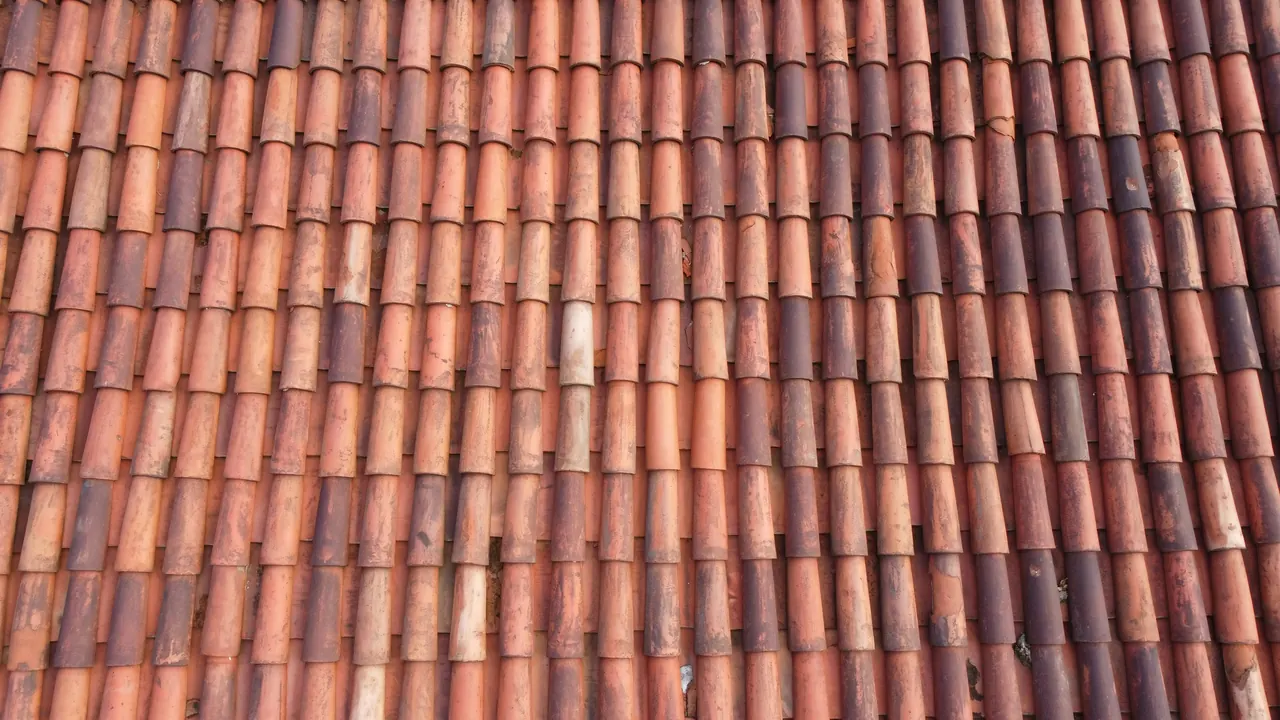
Before panels go on a Florida roof, three things need to line up: a roof in good enough condition to carry them for years, a permit package that proves the roof structure and attachments can resist wind, and clear agreement on who is responsible for the roof penetrations. In Miami-Dade and Broward, the High-Velocity Hurricane Zone (HVHZ) rules make the wind and product-approval review stricter. This article covers the roof side of going solar and says nothing about energy savings or payback.
Start with the roof
Panels are attached to the roof and stay there for years. If the roof covering fails first, the panels usually have to come off so the roof can be repaired or replaced, and then be reinstalled.
Manufacturer and county documents point the same way:
- GAF's bulletin on solar over its shingles says panels are permitted over its roofs, recommends that the shingles be under five years old for optimal longevity, and says that if a shingle problem arises later, the owner must have the panels removed at the owner's expense so the shingles can be inspected or replaced.
- A Miami-Dade rooftop solar workshop presentation says to confirm the roof's remaining service life matches the 20-plus year expected life of the PV system, and strongly recommends replacing the roof if it will not. That presentation references 2017-era code and is undated, so treat it as guidance and not current rule.
- A Village of Pinecrest permit checklist based on Miami-Dade's uniform requirements asks owners to acknowledge that roof-mounted systems can affect roof maintenance and manufacturer warranties, and that panels often must be removed for roof work.
Practical steps: have a licensed roofer assess the covering, the underlayment and the flashing first. Ask what repairs or replacement are needed, and whether it makes sense to do them before the panels go up. For how roof age and condition are judged, see 4-point inspections and roof age.
Who does what: roofer or solar installer
Solar installation touches several trades.
- Solar or electrical contractor. Installs the panels, racking, wiring and inverter. Which license is required depends on the jurisdiction. The City of Miami says a qualified contractor holds an EC or CVC license, and that both the owner and contractor must sign a notarized application.
- Roofer. Repairs or replaces the roof covering and, in many projects, handles flashing and sealing.
- Engineer. Signs and seals the structural drawings that show the roof can carry the panels.
A state rule matters here. Florida Administrative Code 61G4-15.021, amended effective June 26, 2024, lets a solar contractor do minor roofing work directly tied to a residential solar installation, including cutting roof openings, installing flashing and attaching brackets, limited to the area within 18 inches of each roof penetration or attachment. Roofing work beyond that is generally a job for a licensed roofing contractor, so confirm the split with your building department. Miami-Dade's workshop presentation makes the same distinction.
Warranties are a further reason to put responsibilities in writing. A trade article from November 2022 reports that major shingle makers generally say solar does not void their product warranties, but those warranties mostly cover manufacturing defects. Damage from the installation itself is typically not a manufacturing defect, and removal costs are usually not covered. Ask both the roofer and the solar company, in writing, who warrants the roof opening and who pays if the roof must be opened later.
Permits
Permitting differs by city and county, and the pages I reviewed are undated, so confirm with your own building department.
- Miami-Dade HVHZ guideline. Asks for a roof plan, roof type and deck type, the location and size of the system, the wind uplift zones and pressures, a roof penetration flashing detail, FSEC certification and an owner's disclosure form. Structural drawings and calculations must be signed and sealed. It says a new roof or re-roof needs a separate roof permit, that an existing roof's fire rating must be maintained, and that adhered laminate modules need a separate roofing permit.
- City of Miami. Says residential solar projects do not need a separate roofing permit but commercial projects do. It requires a signed and sealed letter from a Florida professional engineer that the system will not adversely affect the building structure, including under hurricane conditions as the code defines.
- Roof permits in general. Re-roofing a house is a different permit. See roof permit requirements in Miami-Dade.
Wind and the HVHZ
Roof-mounted panels act like small sails. Miami-Dade's guideline asks designers to identify the wind uplift zone for the system's location and show that the panels, racking and attachments can resist those pressures. The county's HVHZ permit form notes that modules may not be placed in the corner zones (P3) of a roof, and the county's workshop slides say modules, racking and stand-offs must be rated for the zones they occupy.
Product approval is part of this:
- Miami-Dade's checklist for PV module approval requires uplift testing, cyclic load testing, wind-driven rain testing of each roof mount type and penetration, and salt-spray testing of ferrous parts. It also says the approval covers structural performance only and that installation must use the same anchors and fasteners as were tested.
- It calls for modules to be installed using a UL 2703 certified rooftop mounting system to maintain the roof's fire listing.
See Florida product approval and NOA explained for how approvals work.
Flashing the mounts
Each mount that passes through the roof is a penetration. The county's workshop slides say penetration flashing should follow NRCA practices, that fasteners sealed only with mastic or sealant are not approvable, and that pitch pans filled with roof cement are discouraged. An FRSA article from 2019 adds that Florida code requires flashing at penetrations, that asphalt shingle installations follow the shingle maker's instructions, and that tile roofs follow the FRSA/TRI installation manual. The manual edition has changed since that article, so ask the installer which edition applies now.
Questions people ask
Do I need a new roof before solar?
Not always, but the roof's remaining life matters because removing and reinstalling panels adds work. Ask a licensed roofer for an assessment and a written opinion.
Will solar void my roof warranty?
Usually not outright, but check the actual warranty document. Many warranties cover manufacturing defects only, and some exclude panel removal. Ask the shingle or tile maker and the installer.
Does a solar permit also cover roof work?
Not necessarily. Rules differ for new roofs, re-roofs and laminate modules. Ask the building department which permits your project needs.
Can the solar company do all the roof work?
For residential projects, a state rule limits solar contractors' roofing work to within 18 inches of each penetration or attachment. Other roof work needs a roofing contractor.
Check before you decide
- Get a written roof assessment from a licensed roofing contractor before signing a solar contract.
- Ask who holds the permit and which licenses they hold; verify them on the state license search.
- Ask for the penetration flashing detail and the product approvals for mounts and panels.
- Ask how a future roof repair would be handled and who bears the panel removal cost.
- Confirm the code edition and permit rules with your building department.
This article is general information, not legal, tax, financial or engineering advice. Rules change, so verify them.