
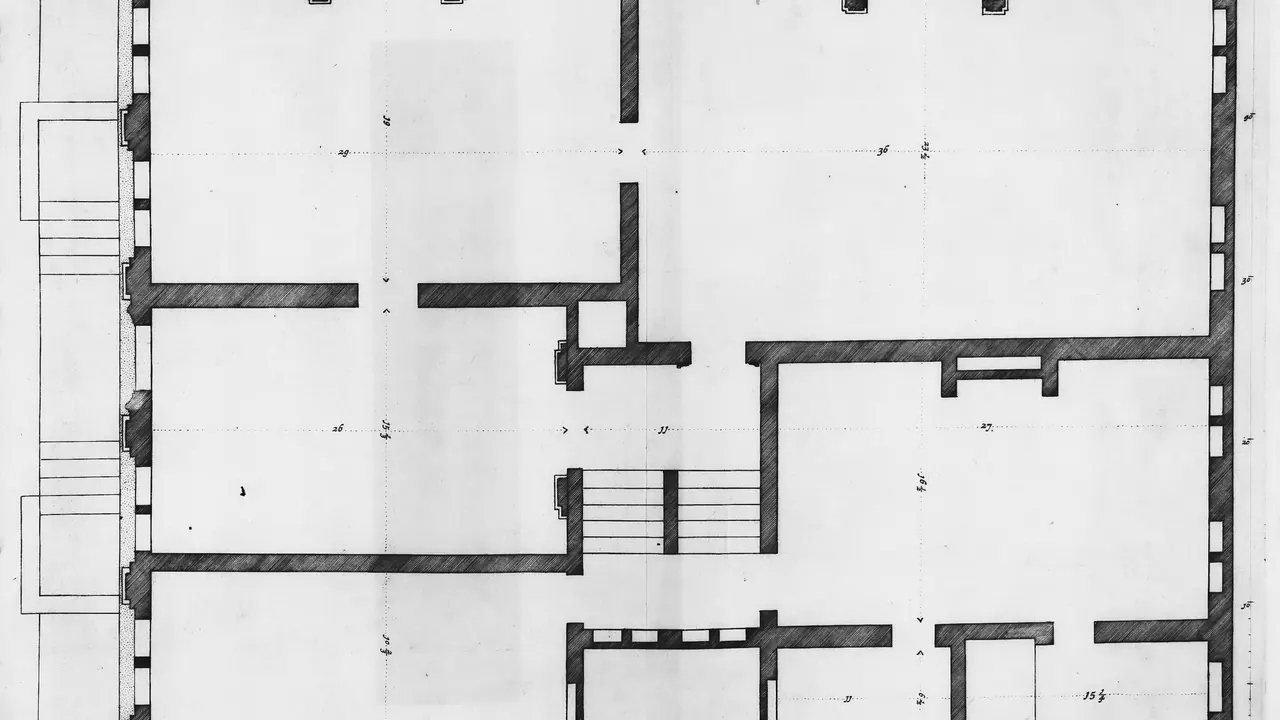
Unpermitted work is construction, repair, or replacement that needed a building permit and did not get one. In Miami-Dade, the usual way to resolve it is to apply for the missing permits, have the work inspected, and pay the fees and any penalties, or to remove the work. A county program called Code Relief exists for older construction, but it is limited to projects that began before March 1, 2002. Newer work follows the standard permit process.
This is general information, not legal advice. Because each property is different, ask the building department and a licensed professional about yours.
What counts as unpermitted work
Florida law says it is unlawful to construct, alter, modify, repair, or demolish a building without first obtaining a permit, unless another law provides otherwise. The agency can revoke a permit if the work does not conform to the Florida Building Code. The county's own sample violation notice gives two typical examples: a mini-split air conditioner installed with new electrical connections, and a roof coating or re-roof on a flat section.
Exemptions exist but are narrow. A newer state exemption for work valued under $7,500 on single-family homes excludes flood hazard areas and electrical, plumbing, structural, mechanical, and gas work. See Miami-Dade building permit basics before assuming your project is exempt.
How unpermitted work comes to light
The county does not publish a list of how cases begin. These routes are documented in official sources:
- A county violation notice. The county's sample notice shows an inspector citing a failure to obtain required permits under Florida Building Code section 105.1 and setting a deadline to correct it.
- Permit searches by address. The county says anyone can search for open or unfinalized permits by address or folio number. A permit that was never closed shows up in the same way.
- Forms that ask for permit information. The state's wind mitigation form, used for insurance, asks for a roof permit application date, a product approval number, and the year of installation. If the information is unknown, the inspector can check a "no information provided" box.
- Sales. Under Johnson v. Davis, a 1985 Florida Supreme Court decision, a seller who knows of a material fact that affects value and is not readily visible must disclose it to the buyer. Whether a particular unpermitted alteration falls under that duty is a question for a real estate attorney.
- Holds on other permits. The county's sample notice warns that the county could withhold other permits while a violation is open, which can bring an open case to light during later projects.
Insurers and lenders have their own underwriting rules, and the official sources cited here do not say how they treat unpermitted work. Ask your agent or lender directly.
The after-the-fact permit path
Standard path for newer work
The county's sample notice lays out the usual steps:
- Apply for the permits needed to legalize the work, or remove it.
- Pay the permit fees and any penalties.
- Schedule the required inspections.
- Correct the violation and notify the inspector by the notice's deadline.
The county fee schedule, effective October 1, 2022, adds an extra 100 percent of the normal permit fee when work starts before the permit is obtained. It says that charge does not waive other penalties set by law. Fee schedules change, so check the current one.
Ask the building department what plans it needs to show existing conditions, and whether any concealed work must be exposed for inspection. The county's inspection rules say inspectors must see work before it is covered.
Some fast-track permits are off the table. The county's window and door fast-track process says it cannot be used for legalization cases, so those go through regular review. Window and door products also need current approvals; see Florida Product Approval and Miami-Dade NOAs.
Code Relief for older construction
Code Relief serves structures built without permits, or permitted but never inspected. The county says construction must have commenced before March 1, 2002 to qualify for reissuance. For unpermitted work, the applicant submits:
- A new application with as-built plans showing site, floor, and trade details.
- Evidence of when the work was done, such as aerial photos, tax records, or surveys.
- An As-Built Certificate from a Florida-licensed engineer or architect with a narrative of the method used.
Plans are reviewed under the code in effect when the work was done, but certain life-safety items must meet the current code. The county lists egress, shutters, hard-wired smoke detectors, GFCI protection, water heater relief lines, handicapped access, gas piping bonding, and handrails. The current owner is ultimately responsible for compliance.
What the notice says about consequences
The county's sample notice warns of possible tickets of $500 or more, civil or criminal action, an unsafe structures case that could require demolition, a hold on other permits, referral to a licensing board, and a lien for unpaid fines. It also states that extensions of up to 90 days can be requested before the notice expires, except for life-safety hazards. This is a sample, so the notice you receive may differ.
What this means for contractors
Under Florida's contractor licensing statute (section 489.129), a contractor can be disciplined for proceeding on a job without the required permits and inspections. An unlicensed person who starts permit-required work without the permit in effect faces a first-degree misdemeanor under section 489.127, with third-degree felony penalties for repeat violations or work during a declared emergency. A licensed contractor also may not obtain a permit without a contract for the work. See how to hire a licensed general contractor.
Questions people ask
Can I just apply for the permit now?
That is the route the county's sample notice describes: permit, fees and penalties, and inspections. The work must meet the code, and the notice also lists removal as an option.
Does the age of the work matter?
Yes. Code Relief only covers construction that began before March 1, 2002. For newer work, the standard permit process applies.
Who pulls the permit for work someone else did?
The applicant must be a licensed contractor or a qualifying owner-builder. A contractor who agrees to legalize the work is putting their license behind it, so expect them to examine it first. Owners can also look at owner-builder rules.
Check before you decide
- Search the county permit records for the address, including open permits.
- Ask whether the property is in unincorporated Miami-Dade or a city; cities run their own departments.
- Ask a licensed contractor or engineer to inspect the work and say whether it can be legalized.
- Ask the building department for the exact steps and current fees in writing.
- Before buying, ask a real estate attorney about disclosure and open permits.